Agriculture produces enormous amounts of organic waste every year. Livestock farms generate large quantities of manure, while crop farms produce significant volumes of straw, stalks, husks, leaves, and other agricultural residues. Traditionally, much of this waste was discarded, burned, or left to decompose unmanaged, creating environmental and economic challenges. Today, however, advances in organic fertilizer production technology have transformed farm waste into a valuable resource. One of the most effective solutions is the production of organic fertilizer pellets.
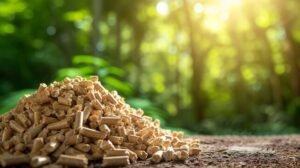
Organic fertilizer pellets not only provide nutrients for crops but also help farmers manage agricultural waste more efficiently. By converting livestock manure and crop residues into high-value fertilizer products, farms can reduce pollution, improve soil health, and generate additional income. Equipment such as a cow dung pellet making machine has become an important tool in this process, allowing farmers and fertilizer manufacturers to convert animal waste into marketable fertilizer pellets.
Farm waste is one of the most underutilized resources in agriculture. Every livestock farm produces manure daily, and every harvest leaves behind large quantities of crop residues. In many regions, these materials are treated as waste rather than valuable resources. As a result, farms often face disposal costs, environmental regulations, and storage challenges. Organic fertilizer pellet production provides a practical solution by turning these waste materials into useful agricultural inputs.
Animal manure is among the most common sources of farm waste. Cattle farms, poultry farms, pig farms, and sheep farms generate substantial quantities of manure throughout the year. If not managed properly, manure can contaminate water sources, release greenhouse gases, and create unpleasant odors. Excess manure accumulation can also increase the risk of disease transmission and environmental degradation. By processing manure into organic fertilizer pellets, farmers can significantly reduce these risks while creating a product with commercial value.
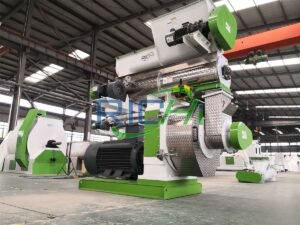
Cow dung is particularly suitable for fertilizer pellet production because it contains a rich combination of organic matter and nutrients. Cow manure improves soil structure, increases water retention, and supports beneficial microbial activity. However, raw cow dung is bulky, difficult to transport, and often contains high moisture levels. A cow dung pellet making machine helps overcome these challenges by converting fermented cow manure into dense, uniform pellets that are easier to handle, store, and distribute.
https://richipelletizer.com/cow-dung-pellet-making-machine
Crop residues represent another major source of farm waste. Materials such as rice straw, wheat straw, corn stalks, peanut shells, soybean residues, and sugarcane bagasse are generated in large volumes after harvest. In many agricultural regions, farmers burn these residues to clear fields quickly. While convenient, open-field burning contributes to air pollution, greenhouse gas emissions, and nutrient loss. Valuable organic matter that could improve soil fertility is instead destroyed.
Converting crop residues into organic fertilizer pellets offers a sustainable alternative. After proper shredding, composting, and mixing with other organic materials, these residues can become important components of fertilizer formulations. The resulting pellets return nutrients and organic matter to the soil while eliminating the environmental problems associated with burning.
One of the greatest advantages of organic fertilizer pellet production is the creation of a circular agricultural economy. In a circular system, waste generated by farming activities is recycled back into production rather than discarded. Livestock manure becomes fertilizer for crop production, while crop residues become raw materials for composting and pellet production. This closed-loop approach reduces waste, lowers input costs, and promotes long-term sustainability.
The pelletization process itself contributes significantly to waste reduction. Raw manure and compost are often difficult to manage because they are bulky and contain high moisture levels. Pelletizing compresses organic materials into a more concentrated form, reducing storage space requirements and transportation costs. This allows larger quantities of waste materials to be processed and utilized effectively.
The role of the cow dung pellet making machine is particularly important in livestock farming operations. Modern dairy farms can produce tons of manure every day. Without proper management systems, this waste can quickly accumulate and create operational challenges. Pellet production equipment allows farms to process manure continuously, converting waste into a valuable product that can be used internally or sold to other agricultural businesses.
Reducing farm waste through pellet production also provides environmental benefits. Organic waste that decomposes unmanaged often releases methane, a greenhouse gas that is significantly more potent than carbon dioxide. By collecting, composting, and pelletizing organic materials, farms can reduce methane emissions and improve overall environmental performance. This contributes to broader climate change mitigation efforts while helping farms comply with environmental regulations.
Water quality protection is another important benefit. Excess manure and agricultural waste can leach nutrients such as nitrogen and phosphorus into rivers, lakes, and groundwater. Nutrient runoff can lead to eutrophication, algae blooms, and aquatic ecosystem damage. Transforming waste into stable organic fertilizer pellets reduces the risk of nutrient losses and improves nutrient management practices on farms.
Organic fertilizer pellets also help preserve valuable nutrients that might otherwise be wasted. Raw agricultural residues often contain significant amounts of nitrogen, phosphorus, potassium, and micronutrients. When residues are burned or discarded, these nutrients are lost. Pellet production captures and concentrates these nutrients, allowing them to be returned to agricultural soils where they can support crop growth.
Economic advantages are another reason why organic fertilizer pellets have become popular among farmers and agribusinesses. Waste disposal often represents a significant cost for livestock operations. By converting waste into fertilizer products, farms can transform a cost center into a revenue-generating activity. Instead of paying for waste removal, farms can sell organic fertilizer pellets to crop producers, garden centers, landscaping companies, and agricultural distributors.
The growing demand for organic farming further strengthens the economic potential of fertilizer pellet production. Consumers increasingly prefer food produced using sustainable methods, encouraging farmers to adopt organic fertilizers. This trend has created expanding markets for pelletized organic fertilizers, providing additional opportunities for businesses that invest in waste recycling technologies.
The use of a cow dung pellet making machine can also improve operational efficiency. Pelletized fertilizers are easier to apply than raw manure because they have consistent size and density. Farmers can use conventional fertilizer spreading equipment, reducing labor requirements and improving application accuracy. Uniform pellets ensure more even nutrient distribution across fields, enhancing crop performance and reducing waste.
Storage efficiency is another important consideration. Raw manure often requires large storage facilities and can create odor problems. Pelletized fertilizer occupies less space and can be stored for extended periods with minimal quality loss. This allows producers to build inventory and respond more effectively to seasonal demand fluctuations.
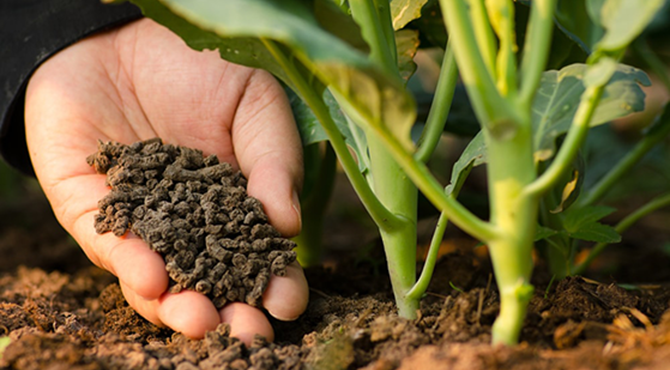
Organic fertilizer pellets contribute to soil health while reducing waste. Continuous use of chemical fertilizers can lead to soil degradation, reduced organic matter content, and declining microbial activity. Organic pellets restore organic matter to the soil, improving structure, aeration, water retention, and nutrient cycling. As a result, farms can achieve better productivity while reducing dependence on synthetic inputs.
The versatility of organic fertilizer pellets further enhances their value. Different waste materials can be combined to create customized fertilizer formulations tailored to specific crops or soil conditions. Cow manure, poultry manure, straw, food waste, and other organic residues can be blended to achieve desired nutrient profiles. This flexibility allows producers to maximize the utilization of available waste resources.
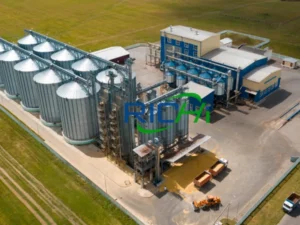
Technological advancements continue to improve the efficiency of waste-to-fertilizer systems. Modern pellet production lines incorporate automated feeding, moisture control, drying, cooling, and packaging systems. These innovations increase production capacity while maintaining consistent product quality. Advanced cow dung pellet making machine designs offer higher output rates, lower energy consumption, and improved durability, making fertilizer production more profitable and accessible. (click reference)
Government policies in many countries also support organic waste recycling initiatives. Regulations aimed at reducing pollution and promoting sustainable agriculture often encourage manure management and organic fertilizer production. Financial incentives, subsidies, and technical support programs can help farmers invest in pellet production equipment and expand recycling efforts.
Despite the many benefits, successful organic fertilizer pellet production requires proper planning and management. Raw materials must be adequately composted to eliminate pathogens and stabilize nutrients. Moisture levels must be carefully controlled to ensure efficient pellet formation. Equipment maintenance is also essential to maintain productivity and product quality. Farms that invest in training, quality control, and efficient operations are more likely to achieve long-term success.
As global agriculture continues to face challenges related to waste management, environmental protection, and resource efficiency, organic fertilizer pellets offer a practical and sustainable solution. By transforming agricultural waste into valuable fertilizer products, farms can reduce pollution, improve soil fertility, and create additional revenue streams. The process supports both economic and environmental objectives, making it an attractive strategy for modern agriculture.
In conclusion, organic fertilizer pellets play a crucial role in reducing farm waste by converting manure, crop residues, and other organic materials into useful agricultural inputs. Technologies such as the cow dung pellet making machine enable farmers and fertilizer manufacturers to process large volumes of waste efficiently and profitably. By adopting pellet production systems, farms can minimize environmental impacts, improve nutrient recycling, enhance soil health, and contribute to a more sustainable agricultural future. As demand for organic fertilizers continues to grow worldwide, the role of fertilizer pellet production in farm waste management is likely to become even more important in the years ahead.