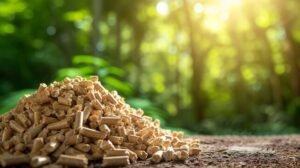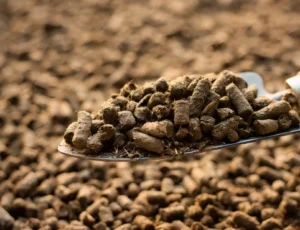
Organic fertilizer pellets are becoming increasingly important in modern agriculture because farmers around the world are searching for sustainable ways to improve soil health and crop productivity. Continuous farming, excessive use of chemical fertilizers, and environmental pollution have caused serious soil degradation in many agricultural regions. As a result, improving soil fertility has become a major concern for both large commercial farms and small agricultural producers. Organic fertilizer pellets provide an effective solution because they supply nutrients naturally while also improving soil structure, microbial activity, and long-term agricultural sustainability.
Organic fertilizer pellets are produced from natural materials such as livestock manure, compost, crop residues, food waste, and other organic substances. Through advanced processing equipment such as the organic fertilizer pellet making machine and the organic fertilizer production line, these raw materials are converted into dense, uniform pellets that are easy to store, transport, and apply in agricultural fields. Compared with traditional loose compost or powdered fertilizers, pelletized organic fertilizers provide better nutrient management and more efficient soil improvement.
One of the biggest advantages of organic fertilizer pellets is their ability to increase soil organic matter. Soil organic matter is essential for maintaining fertile and productive farmland. It improves soil texture, enhances nutrient retention, and supports healthy root growth. Many soils that have been exposed to long-term chemical fertilizer use suffer from declining organic content, leading to hard, compacted soil with poor water retention. Organic fertilizer pellets help restore organic matter gradually, allowing soil to regain its natural fertility and productivity.
Another major benefit of organic fertilizer pellets is their slow-release nutrient characteristics. Unlike chemical fertilizers that dissolve rapidly and often cause nutrient loss through leaching, organic pellets release nutrients steadily over time. This slow-release process allows plants to absorb nutrients more efficiently while reducing waste. Nutrients such as nitrogen, phosphorus, potassium, calcium, magnesium, and trace minerals become available gradually as microorganisms break down the organic materials in the soil. This stable nutrient supply supports healthier plant growth and reduces the risk of over-fertilization.
The improvement of soil structure is another important way organic fertilizer pellets enhance soil fertility. Healthy soil should have good aeration, proper moisture retention, and loose texture that allows roots to penetrate deeply. Organic materials help create soil aggregates that improve air circulation and water movement within the soil. When soil structure improves, roots can access more nutrients and water, leading to stronger crop growth and higher agricultural productivity. In addition, improved soil structure reduces soil erosion and increases resistance to drought conditions.
Soil microorganisms also play a crucial role in maintaining fertile land, and organic fertilizer pellets significantly support microbial activity. Beneficial bacteria, fungi, and other microorganisms help decompose organic matter, release nutrients, and suppress harmful pathogens. Chemical fertilizers alone cannot provide the carbon-rich environment needed for microbial growth. Organic fertilizer pellets, however, serve as a food source for these beneficial organisms, helping create a balanced and biologically active soil ecosystem. As microbial populations increase, nutrient cycling becomes more efficient, further improving soil fertility and plant health.
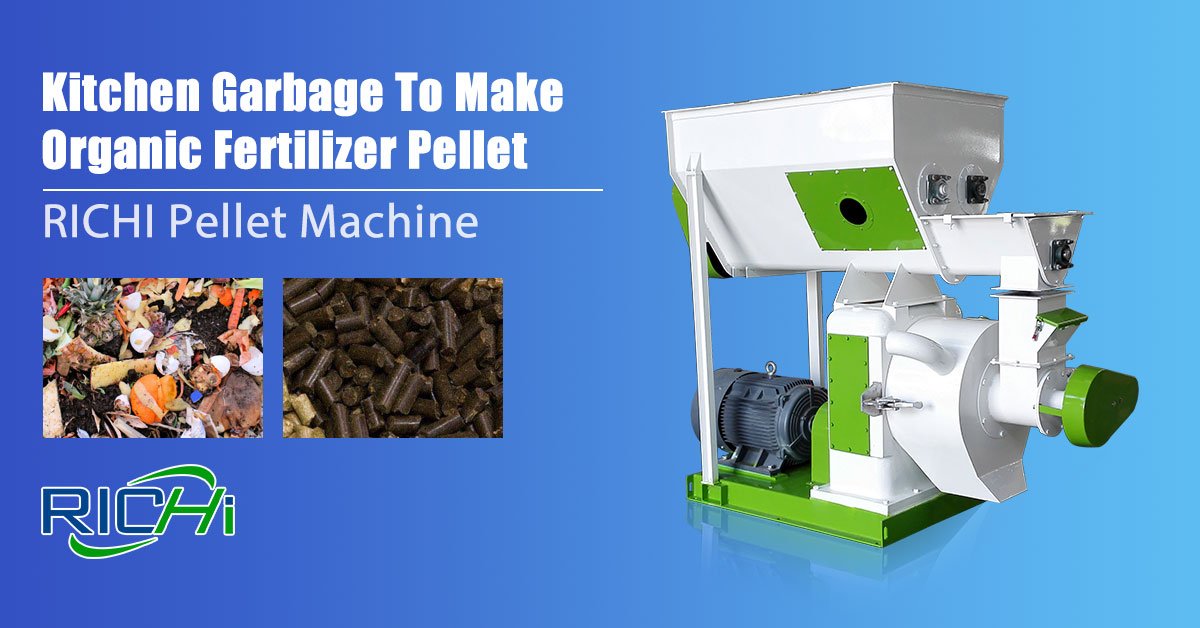
The organic fertilizer pellet making machine is one of the key technologies that make high-quality organic fertilizer production possible. This machine compresses processed organic materials into uniform pellets with stable density and consistent size. By using an organic fertilizer pellet making machine, manufacturers can improve production efficiency while ensuring better fertilizer quality. Uniform pellets are easier to apply mechanically, which reduces labor costs and improves fertilizer distribution across farmland. Consistent pellet size also helps control nutrient release rates more effectively, making soil improvement more predictable and efficient.
https://pelletisingmachine.com/organic-fertilizer-pellet-making-machine
The organic fertilizer production line plays an equally important role in modern fertilizer manufacturing. A complete production line integrates multiple processes such as crushing, fermentation, mixing, granulation, drying, cooling, screening, and packaging into one continuous system. This integrated approach allows large-scale production of organic fertilizer pellets with stable quality and higher efficiency. The organic fertilizer production line reduces production interruptions, lowers labor requirements, and improves overall operational performance. More importantly, it helps manufacturers produce fertilizers that meet agricultural standards for nutrient content and physical durability.
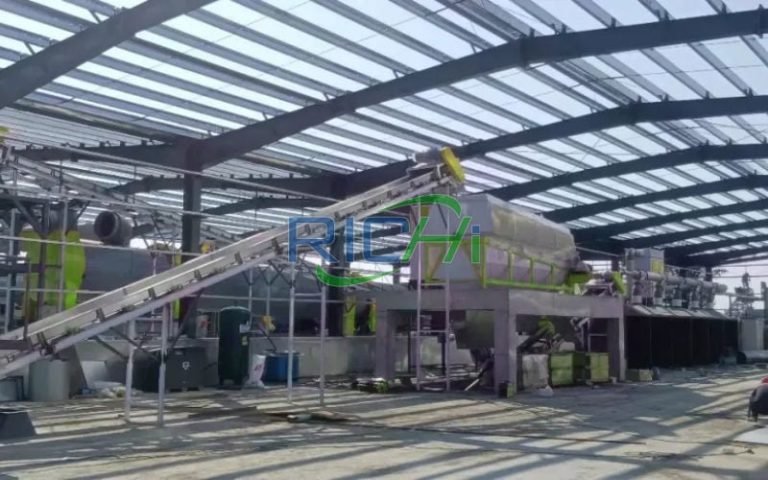
Organic fertilizer pellets also contribute significantly to environmental protection. One major environmental problem in agriculture is the improper disposal of livestock manure and agricultural waste. Animal manure, crop straw, and food processing residues are often discarded or burned, leading to pollution and greenhouse gas emissions. Organic fertilizer production converts these wastes into valuable agricultural inputs, reducing environmental damage while supporting sustainable farming practices. Through the use of the organic fertilizer production line, agricultural waste can be recycled efficiently and transformed into marketable fertilizer products.
Water retention is another important aspect of soil fertility that organic fertilizer pellets improve. Soils with higher organic matter content can hold more moisture, reducing irrigation requirements and improving crop resistance during dry periods. In regions where water scarcity is becoming a serious issue, improving soil moisture retention is extremely valuable. Organic fertilizer pellets help soil act like a sponge, storing water and releasing it gradually to plant roots. This not only supports healthier crop growth but also reduces water waste in agricultural production.
Organic fertilizer pellets are also beneficial for reducing nutrient leaching and soil contamination. Chemical fertilizers often dissolve quickly and can be washed away by rain or irrigation, causing nutrient runoff into rivers and groundwater systems. This pollution contributes to environmental problems such as eutrophication and water quality degradation. Because organic fertilizer pellets release nutrients slowly, they remain in the root zone longer and reduce nutrient loss. This improves fertilizer efficiency while minimizing environmental pollution.
Crop quality can also improve significantly with the use of organic fertilizer pellets. Balanced nutrition and healthy soil conditions often lead to stronger plants, better fruit development, and improved nutritional quality of agricultural products. Many farmers who transition to organic fertilizers report healthier crops with improved taste, appearance, and shelf life. In addition, healthier plants tend to have stronger resistance against pests and diseases, reducing the need for chemical pesticides and further supporting sustainable agriculture.
Economic benefits are another reason why organic fertilizer pellets are gaining popularity. Although the initial investment in an organic fertilizer pellet making machine and complete organic fertilizer production line may be significant, long-term returns are often highly attractive. Farmers benefit from reduced fertilizer waste, improved soil productivity, and lower dependence on expensive chemical fertilizers. At the same time, fertilizer manufacturers can generate profits by converting low-cost organic waste materials into high-value agricultural products. As demand for organic farming and environmentally friendly fertilizers continues to rise globally, the market potential for organic fertilizer pellets is expanding rapidly.
Modern technology is also improving the efficiency and quality of organic fertilizer production. Automated control systems now allow manufacturers to monitor temperature, moisture, pellet density, and nutrient consistency throughout the production process. These technologies improve product reliability and reduce operational costs. Advanced organic fertilizer production line systems can process large volumes of raw materials continuously, making industrial-scale fertilizer manufacturing more efficient and commercially viable.
Despite the many advantages, challenges still exist in organic fertilizer pellet production. Raw material quality may vary depending on source and season, affecting nutrient composition and pellet stability. Moisture control is also essential because excessive moisture can lead to poor pellet quality and storage problems. Equipment maintenance is another important factor, as pelletizing machines operate under high pressure and require regular servicing to maintain efficiency. However, with proper management and modern equipment, these challenges can be effectively controlled.
The future of organic fertilizer pellets is highly promising as agriculture moves toward sustainability and environmental responsibility. Governments and agricultural organizations around the world are encouraging the use of organic fertilizers to improve soil health and reduce pollution. Technological innovation is also making production systems more efficient and accessible. Future developments may include AI-controlled fertilizer formulation systems, energy-efficient processing equipment, and improved nutrient optimization technologies. (view website)
Organic fertilizer pellets represent a long-term solution for restoring soil fertility and supporting sustainable agricultural production. By improving soil structure, enhancing microbial activity, increasing nutrient retention, and reducing environmental pollution, these fertilizers provide benefits that extend far beyond short-term crop growth. The organic fertilizer pellet machine and organic fertilizer pellet production line are central to this transformation, enabling efficient and large-scale production of high-quality organic fertilizers for modern farming systems.
As global agriculture faces increasing pressure to produce more food while protecting natural resources, organic fertilizer pellets will continue to play a critical role in maintaining healthy soils, improving crop productivity, and supporting environmentally sustainable farming practices for future generations.