The aquaculture industry is entering a new stage of development. With global seafood consumption increasing and natural fish resources becoming more limited, fish farming has become one of the fastest-growing food production sectors worldwide.
However, successful aquaculture depends on more than just breeding technology and farm management. Feed quality plays a decisive role in fish growth, water quality control, and overall production efficiency.
For commercial fish farms and feed manufacturers, producing stable and nutritious feed has become a major challenge. Traditional feed processing methods often cannot meet the requirements of modern aquaculture because they may result in poor water stability, nutrient loss, and inconsistent pellet quality.
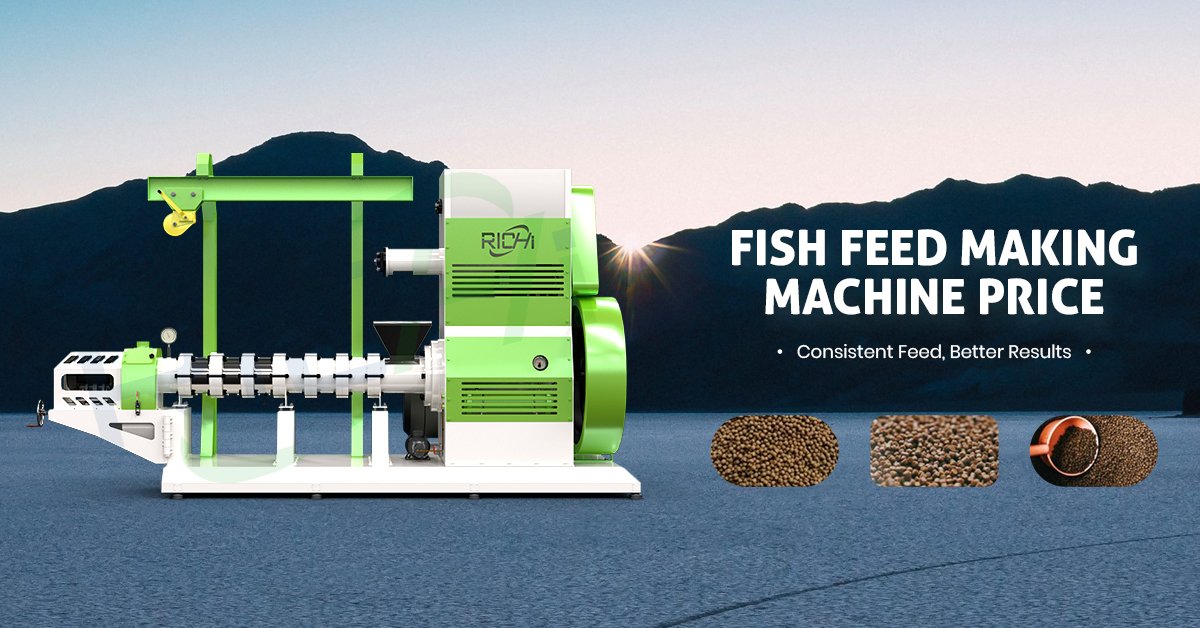
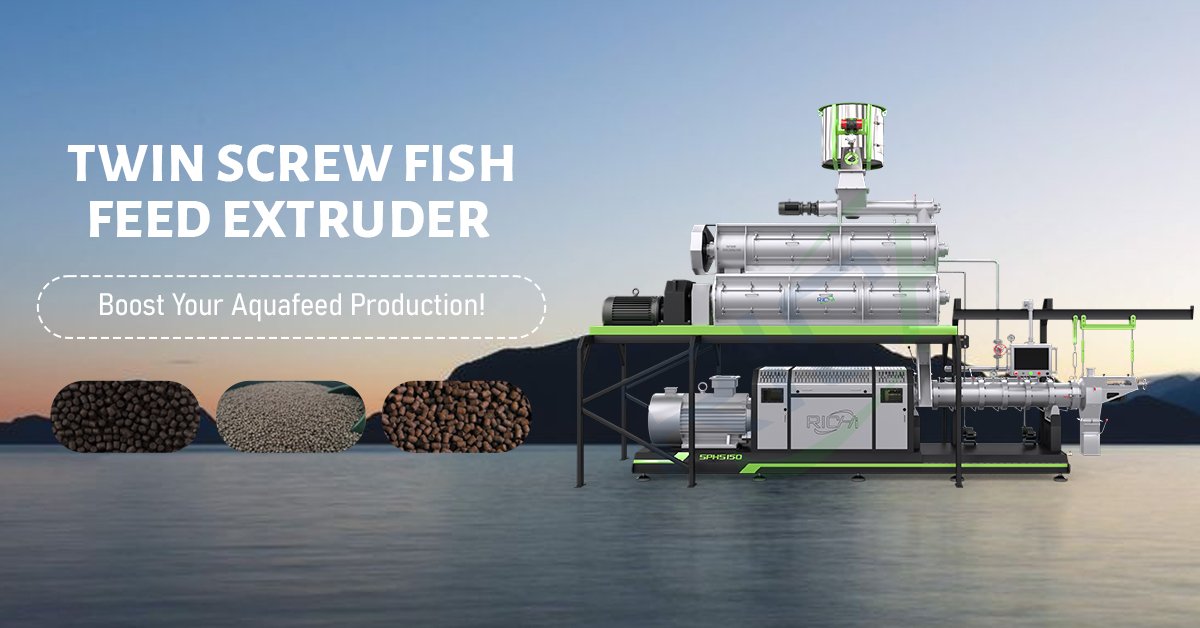
To overcome these challenges, many businesses are investing in advanced extrusion technology. A professional sinking fish feed machine provides an effective solution for producing dense aquatic feed pellets that match the feeding habits of various fish species.
The Importance of Feed Quality in Aquaculture
Feed is one of the most important components of fish farming.
High-quality feed directly affects:
- Fish growth rate
- Feed conversion ratio
- Survival rate
- Farming costs
- Water environment
Poor-quality feed can create several problems:
- Excessive feed waste
- Poor nutrient absorption
- Increased water pollution
- Higher production expenses
For this reason, modern aquaculture businesses pay more attention to feed formulation and production technology.
A well-designed feed production system allows manufacturers to provide pellets with suitable:
- Size
- Density
- Hardness
- Nutritional balance
Why Sinking Feed Is Important for Certain Fish Species
Not all fish feed in the same way.
Some species naturally prefer feeding at different water levels. While floating feed is suitable for surface-feeding fish, sinking pellets are designed for species that feed in middle or lower water layers.
Sinking feed offers several advantages:
Better Feeding Compatibility
The pellets gradually move downward, matching the natural feeding behavior of many fish species.
Reduced Floating Waste
Feed remains available underwater instead of drifting away from feeding areas.
Improved Feeding Management
Farmers can better observe feeding activity and adjust feeding strategies.
This makes sinking feed an important choice for many freshwater and commercial aquaculture operations.
How Extrusion Technology Produces Better Sinking Pellets
The extrusion process is the core technology behind modern aquatic feed production.
During extrusion, ingredients experience:
- Mechanical shear
- Pressure
- Heat treatment
- Moisture control
This changes the physical structure of raw materials and improves pellet performance.
The main benefits include:
Improved Nutrient Utilization
Extrusion helps break down certain ingredients, improving digestibility.
Fish can absorb nutrients more efficiently, which supports healthier growth.
Better Pellet Stability
High-quality sinking pellets maintain their structure underwater.
This reduces:
- Nutrient leakage
- Feed losses
- Water contamination
Flexible Formula Processing
Extrusion technology can process different formulas based on species requirements.
Manufacturers can adjust ingredients according to:
- Fish type
- Growth stage
- Farming environment
Complete Sinking Fish Feed Production Process
A commercial aquatic feed factory usually includes multiple production stages.
Raw Material Grinding
Before extrusion, ingredients must be processed into suitable particle sizes.
Common ingredients include:
- Fish meal
- Soybean meal
- Corn
- Wheat flour
- Protein supplements
- Vitamins and minerals
Fine grinding improves mixing quality and extrusion efficiency.
Mixing and Conditioning
Accurate mixing ensures all ingredients are evenly distributed.
Conditioning adds moisture and heat before extrusion, helping materials achieve better processing performance.
Extrusion and Pellet Formation
The prepared mixture enters the extruder where it is compressed and shaped.
The die determines:
- Pellet diameter
- Pellet shape
- Production capacity
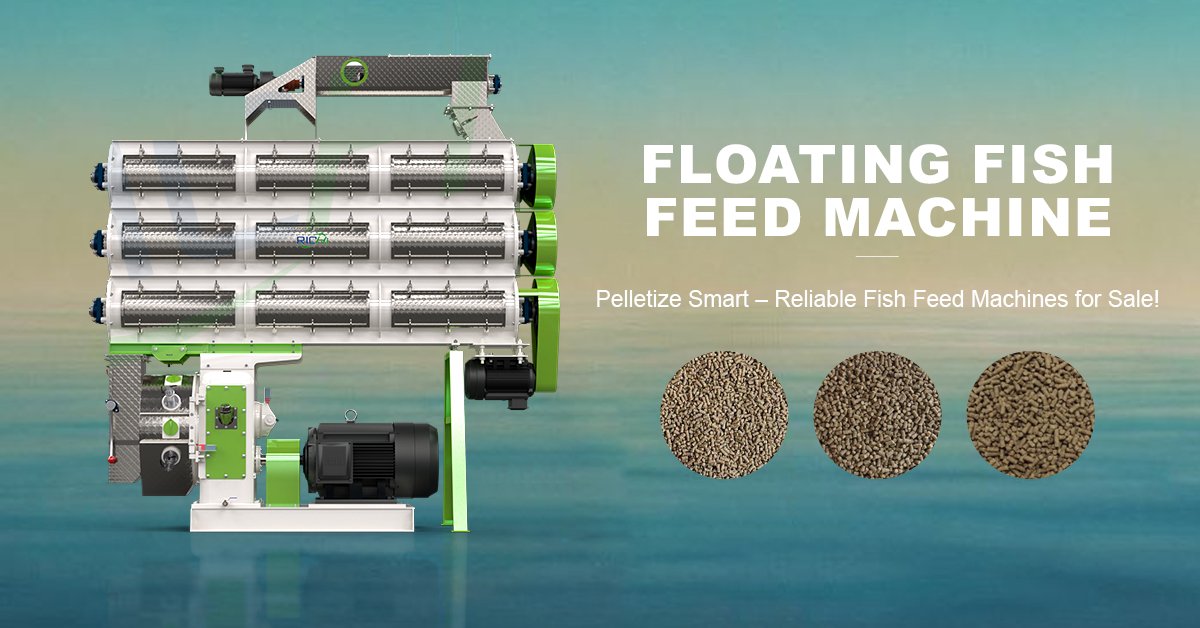
For companies developing commercial aquatic feed factories, selecting suitable equipment capacity is essential.
Many investors consider solutions such as the 2-3 T/H shrimp feed making machine for sale when establishing medium-scale aquatic feed production projects.
Drying Process
Fresh pellets contain excess moisture after extrusion.
A drying system reduces moisture and improves:
- Storage stability
- Product quality
- Shelf life
Proper drying prevents mold growth and quality deterioration.
Cooling and Screening
Cooling brings pellets to a suitable temperature before packaging.
Screening removes broken particles and ensures uniform product appearance.
Packaging
Finished feed can be packed according to market requirements.
Common packaging methods include:
- Small bags for retail markets
- Large bags for farms
- Bulk transportation systems
The Growing Market for Commercial Aquatic Feed Production
The expansion of aquaculture has created strong demand for professional feed factories.
Major market opportunities exist in:
- Southeast Asia
- South America
- Africa
- Middle East regions
- Coastal farming areas
Countries with strong aquaculture industries require reliable feed suppliers capable of producing consistent products.
A modern production facility allows companies to serve different customers and expand their market reach.
Advantages of Investing in a Professional Feed Production Line
A complete feed production system provides more benefits than individual equipment.
Higher Production Efficiency
Integrated equipment reduces production interruptions.
Better Quality Control
Each stage can be monitored and adjusted.
Lower Operating Costs
Optimized processes reduce energy and labor consumption.
Easier Expansion
Production capacity can be increased according to market growth.
For businesses planning long-term development, professional engineering support is an important factor.
Companies choosing Richi manufacture solutions can receive customized production designs based on different raw materials, output requirements, and factory conditions.
Selecting the Right Equipment Capacity
Choosing the correct machine capacity is important for investment success.
A small feed factory may focus on local customers, while large manufacturers may supply multiple aquaculture farms.
Capacity selection should consider:
- Current demand
- Future growth
- Available investment
- Raw material supply
- Factory space
For large-scale production, equipment such as the 1-2 T/H shrimp feed pellet machine for sale can provide efficient output for growing businesses.
A reasonable production plan helps balance investment cost and future profitability.
Technology Trends in Aquatic Feed Manufacturing
The fish feed industry continues to develop with new technologies.
Automation
Modern factories increasingly use:
- PLC control systems
- Automatic feeding
- Production monitoring
This improves consistency and reduces labor dependence.
Digital Management
Smart systems help operators monitor:
- Production data
- Equipment conditions
- Energy consumption
Sustainable Feed Development
Manufacturers are exploring:
- Alternative protein sources
- Environmentally friendly formulas
- More efficient processing methods
These trends will continue shaping the future of aquaculture.
Why Professional Supplier Support Matters
Building a fish feed factory requires technical knowledge beyond purchasing machines.
Important considerations include:
- Raw material analysis
- Production process design
- Equipment matching
- Installation guidance
- Staff training
An experienced supplier can help avoid common problems and improve project success.
Professional manufacturers provide solutions based on actual customer needs rather than offering standard equipment only.
Businesses looking for more practical information can check my source for additional knowledge about aquatic feed production technologies.
Sustainable Development of Aquaculture Through Better Feed
Efficient feed production contributes to more sustainable aquaculture.
Better feed technology helps:
- Reduce resource waste
- Improve farming efficiency
- Lower environmental impact
- Increase food production capacity
As the global population grows, aquaculture will continue playing an important role in meeting seafood demand.
High-quality sinking feed production technology will remain a key part of this development.
Conclusion
Modern aquaculture requires more efficient, stable, and sustainable feeding solutions.
A professional sinking fish feed extruder machine helps manufacturers produce high-quality sinking pellets that improve feeding performance and support profitable fish farming.
(Related Post: https://www.richipelletmill.com/shrimp-feed-pellet-machine/)
By combining advanced extrusion technology, suitable production capacity, and professional engineering support, businesses can build reliable aquatic feed production systems for future market growth.
With experienced suppliers such as Richi Pelletizer, investors can develop customized feed manufacturing projects designed to meet the changing needs of the global aquaculture industry.