Introduction to Cattle Feed Manufacturing Technology
The development of modern livestock farming has increased the demand for efficient and reliable feed production solutions. Cattle require balanced nutrition to support healthy growth, milk production, and overall farm productivity. Producing high-quality feed on a commercial scale requires advanced equipment that can process different raw materials into uniform and nutritious feed products.
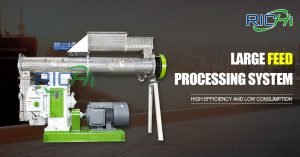
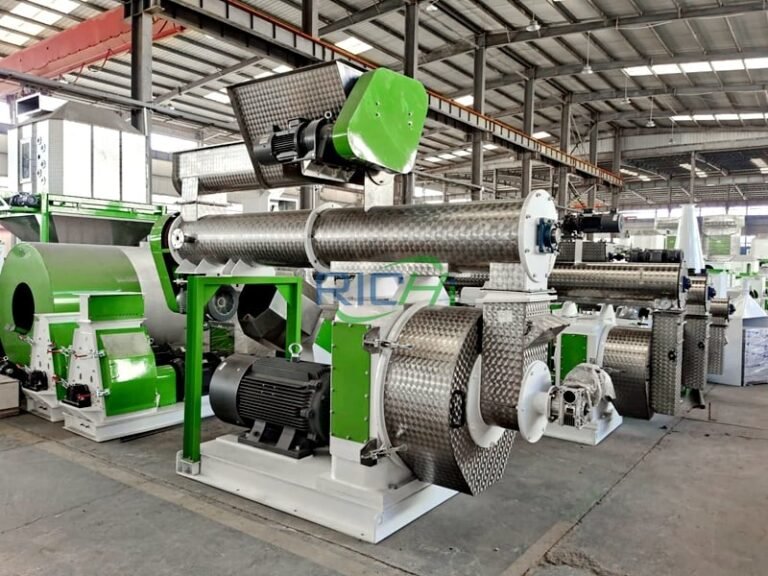
A professional cattle feed plant machine provides an effective solution for manufacturing cattle feed efficiently. These machines integrate different processing stages, including crushing, mixing, pelletizing, cooling, and packaging, to create consistent feed products suitable for livestock farming.
With increasing demand for high-quality animal nutrition, modern feed production technology helps farms and feed manufacturers improve efficiency, reduce production costs, and maintain stable product quality.
The Importance of Cattle Feed Plant Equipment
Improving Livestock Feed Quality
Feed quality directly influences cattle health, growth performance, and production efficiency. Poorly processed feed may result in nutrient imbalance, lower feed utilization, and reduced farming benefits.
Professional feed plant equipment ensures that different ingredients are processed evenly and formed into consistent feed products. Through accurate formulation and controlled production processes, manufacturers can produce feed that meets the nutritional requirements of different cattle categories.
Modern feed systems can process various raw materials, including corn, soybean meal, grains, forage materials, minerals, and nutritional additives. This flexibility allows manufacturers to develop specialized feed formulas for dairy cattle, beef cattle, and young livestock.
Supporting Large-Scale Feed Production
Commercial livestock farms require stable feed supplies throughout the year. Manual production methods are often unable to meet the output requirements of large-scale operations.
A complete cattle feed production system improves automation, increases production capacity, and reduces labor dependence. This allows businesses to provide consistent feed products while improving overall operational efficiency.
How Cattle Feed Plant Machines Work
Raw Material Preparation
The first stage of cattle feed production involves preparing different ingredients according to the required formula. Raw materials are usually cleaned, crushed, and measured before entering the mixing process.
Grinding reduces material size and improves digestibility, while accurate weighing ensures proper nutritional balance.
A well-designed preparation process helps maintain consistent feed quality and improves the efficiency of later production stages.
Mixing and Pelletizing Process
After grinding, different ingredients are mixed evenly to create a balanced feed mixture. Uniform mixing is essential because it ensures that every pellet contains the required nutrients.
The prepared mixture then enters the pelletizing stage, where mechanical pressure forms the material into compact feed pellets.
For businesses planning commercial feed projects, working with an experienced animal feed pellet machine manufacturer can provide suitable equipment solutions, technical guidance, and customized production systems.
Advantages of Using Professional Cattle Feed Equipment
Higher Production Efficiency
Modern cattle feed plant machines are designed for continuous operation and improved automation. They help manufacturers increase output while maintaining stable production quality.
Automated processes reduce manual labor requirements and improve production accuracy, making feed manufacturing more efficient.
Better Feed Storage and Transportation
Pelletized cattle feed offers advantages compared with loose feed materials. Uniform pellets are easier to store, transport, and distribute.
The compact structure reduces material loss and improves handling efficiency during farm operations.
Flexible Feed Production
Professional feed equipment can produce different types of cattle feed based on market demand and animal requirements.
Manufacturers can adjust formulas and pellet sizes to create products suitable for different livestock growth stages.
Choosing the Right Cattle Feed Plant Solution
Evaluating Production Requirements
Selecting suitable feed equipment requires consideration of several important factors:
- Production capacity requirements
- Available raw materials
- Factory space
- Feed product types
- Future expansion plans
Different businesses have different production goals. A customized solution helps ensure that equipment performance matches actual operational needs.
Working with Experienced Feed Equipment Manufacturers
Choosing the right equipment supplier is essential for building a successful feed production facility. A professional manufacturer should provide complete support, including project design, equipment installation, technical training, and after-sales service.
Businesses interested in learning more about feed production technology, equipment applications, and industry solutions can visit blog here for additional information.
With years of experience in feed processing equipment manufacturing, Richi machinery manufacture provides customized cattle feed production solutions for customers worldwide. From individual machines to complete feed plants, professional engineering teams help businesses establish efficient and reliable production systems.
Applications of Cattle Feed Plant Machines
Dairy Farm Feed Production
Dairy farms require high-quality feed to support milk production and animal health. Professional feed equipment helps produce balanced rations with consistent nutritional value.
Customized feed formulas can be developed according to different dairy cattle requirements.
Beef Cattle Farming
Beef cattle operations require efficient feeding systems to support weight gain and production performance.
Pellet feed production provides convenient storage and feeding methods while improving farm management efficiency.
Commercial Feed Manufacturing
Feed companies use advanced cattle feed plant machines to produce commercial livestock feed products for different customers.
Reliable equipment allows manufacturers to expand product ranges and maintain stable market supply.
Future Development of Cattle Feed Production Technology
The future of cattle feed manufacturing will focus on automation, intelligent control, and efficient resource utilization.
Advanced monitoring systems will help manufacturers improve production accuracy, reduce energy consumption, and optimize operational performance.
As livestock farming continues becoming more professional, demand for efficient feed production equipment will continue increasing. Modern cattle feed plant technology will play an important role in improving farming efficiency and supporting sustainable livestock development.
Conclusion
A cattle feed plant machine provides an efficient solution for producing high-quality livestock feed products. Through advanced processing technology, businesses can improve production efficiency, maintain consistent feed quality, and support modern farming requirements.
By selecting suitable equipment, cooperating with professional manufacturers, and developing customized production systems, companies can establish reliable feed production facilities. As global demand for animal products continues growing, advanced cattle feed manufacturing technology will remain essential for the future development of the livestock industry.
View details: https://www.richimanufacture.com/cattle-feed-plant-machine/