Introduction to Wood Chip Pellet Machines
A wood chip pellet machine is an industrial device designed to convert processed wood chips into dense, uniform pellets through mechanical compression. Unlike machines that primarily process fine sawdust, wood chip pellet machines are engineered to handle coarser raw materials that originate directly from forestry operations, logging residues, or primary wood processing facilities.
As global demand for renewable energy and sustainable fuel alternatives continues to grow, wood chip pellet makers play a crucial role in transforming bulky, low-density wood chips into standardized pellets suitable for efficient transport, storage, and combustion. These machines are widely used in commercial pellet plants, biomass energy projects, and integrated forestry operations.
Background and Development of Wood Chip Pelletizing
The pelletization of wood chips developed as an extension of traditional biomass densification methods. Early pellet machines focused mainly on sawdust and agricultural residues, which required minimal size reduction. However, as forestry industries expanded and sought to utilize a broader range of by-products, pelletizing technology evolved to accommodate wood chips.
Advancements in crushing equipment, die materials, and roller pressure systems enabled pellet machines to process harder, more fibrous materials. Over time, the wood chip pellet machine became an essential component in large-scale biomass utilization, particularly in regions with abundant forest resources.
What Is a Wood Chip Pellet Machine?
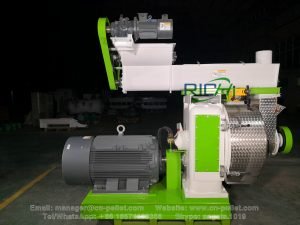
A wood chip pellet machine is a mechanical system that compresses prepared wood chips into cylindrical pellets by forcing the material through die holes under high pressure and friction-generated heat.
Core Mechanical Structure
A typical wood chip pellet machine consists of:
A controlled feeding system
A pelletizing chamber with a ring die
High-strength compression rollers
A main motor and transmission assembly
Lubrication and cooling systems
Pellet cutting and discharge components
The design emphasizes durability and pressure stability, as wood chips require more intensive processing than finer materials.
Characteristics of Wood Chips as Raw Material
Wood chips differ significantly from sawdust in size, structure, and density. These characteristics influence pellet machine design and operation.
Key properties of wood chips include:
Larger particle size
Higher fiber strength
Variable moisture content
Greater abrasiveness
Before pelletizing, wood chips must be crushed and screened to achieve a suitable particle size, typically below 5 mm. Moisture content is usually adjusted to 10–15% to ensure effective pellet formation.
Wood Chip Pellet Production Process
Crushing and Size Reduction
Raw wood chips are first processed using hammer mills or wood crushers to reduce particle size. This step is essential for protecting the pellet machine and ensuring uniform pellet quality. https://richipelletizer.com/pellet-mill-for-wood-pellets/
Drying and Conditioning
After crushing, materials are dried to the optimal moisture range. Proper conditioning improves pellet density and reduces energy consumption during pelletizing.
Pelletizing Stage
Inside the wood chip pellet machine, rollers apply high pressure to force the material through the die holes. Friction generates heat, activating lignin within the wood fibers, which binds the particles together naturally.
Cooling and Screening
Fresh pellets are hot and soft when discharged. Cooling systems harden the pellets, while screening removes fines before packaging or storage.
Types of Wood Chip Pellet Machines
Ring Die Pellet Machines
Ring die machines are the preferred choice for wood chip pelletizing due to their ability to handle high pressure and continuous operation. Advantages include:
High production capacity
Stable pellet quality
Longer die and roller lifespan
Reduced vibration and mechanical stress
Many industrial pellet plants adopt ring die systems from manufacturers such as RICHI, which focus on heavy-duty designs suitable for coarse biomass materials.
Integrated Pelletizing Systems
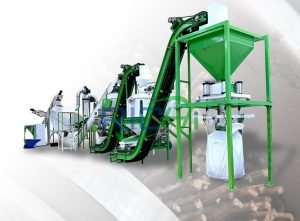
In large-scale operations, wood chip pellet machines are integrated into complete production lines that include crushers, dryers, coolers, and automated control systems. This integration improves efficiency and reduces manual intervention.
Applications of Wood Chip Pellets
Pellets produced from wood chips are used across a wide range of industries:
Biomass Power Generation: Fuel for utility-scale biomass power plants
District Heating Systems: Renewable heat source for communities
Industrial Boilers: Replacement for coal or heavy oil
Export Markets: Bulk pellet shipments for international energy markets
The versatility of wood chip pellets supports stable global demand for pelletizing equipment.
Global Market and Industry Significance
The global biomass pellet market has expanded rapidly, driven by renewable energy policies and carbon reduction goals. Countries with strong forestry sectors often invest heavily in wood chip pellet machines to maximize resource utilization. Her response
Pellet machines capable of processing wood chips are particularly valuable in regions where sawdust supply is limited but forestry residues are abundant. Machine reliability and pellet consistency are critical for meeting international quality standards.
Performance Factors Specific to Wood Chip Pellet Machines
Processing wood chips places higher demands on pellet machines compared to finer materials. Key performance factors include:
Die compression ratio optimized for fibrous material
Roller material hardness and surface treatment
Motor power and torque stability
Efficient lubrication under high load
Consistent raw material preparation
Advanced designs from suppliers such as RICHI Machinery emphasize reinforced structures and precision-machined dies to handle these challenges effectively.
Maintenance and Operational Considerations
Due to the abrasive nature of wood chips, regular maintenance is essential. Common maintenance practices include:
Frequent inspection of dies and rollers
Monitoring bearing temperature and vibration
Ensuring proper lubrication
Cleaning material buildup in the pelletizing chamber
Preventive maintenance strategies help extend equipment lifespan and reduce unexpected downtime in commercial operations.
Environmental Benefits of Wood Chip Pelletization
Wood chip pellet machines contribute to environmental sustainability by enabling large-scale utilization of forestry residues. Pelletizing reduces waste, lowers transportation emissions, and supports renewable energy production.
When sourced responsibly, wood chip pellets offer lower net greenhouse gas emissions compared to fossil fuels, aligning with global climate objectives and sustainable forest management practices.
Economic Impact of Wood Chip Pellet Machines
From an economic perspective, wood chip pellet machines add value to low-cost or waste materials. Forestry operations can generate additional revenue streams while reducing disposal costs.
Pellet plants also support local employment, infrastructure development, and export-oriented industries, particularly in rural and forest-rich regions.
Technological Trends in Wood Chip Pellet Machines
Modern wood chip pellet machines increasingly feature:
High-efficiency motors and gearboxes
Automated lubrication systems
Digital monitoring and control platforms
Improved noise and vibration reduction
Enhanced die manufacturing precision
These advancements reflect broader trends toward automation and energy efficiency in biomass processing.
Selecting a Wood Chip Pellet Machine
Choosing a suitable wood chip pellet machine requires careful evaluation of raw material characteristics, production capacity, and operational conditions. Buyers typically consider:
Hourly output requirements
Energy consumption
Equipment durability
Availability of spare parts and technical support
Experienced manufacturers such as RICHI often provide customized solutions that integrate pellet machines into complete production lines.
Conclusion
A wood chip pellet machine is a critical component of modern biomass processing technology. By converting coarse wood chips into dense, standardized pellets, these machines support renewable energy generation, waste reduction, and sustainable industrial development.
As demand for clean energy and efficient resource utilization continues to rise, wood chip pellet machines will remain essential infrastructure, evolving with improved efficiency, automation, and environmental performance. Wood chip pellet mills in canada