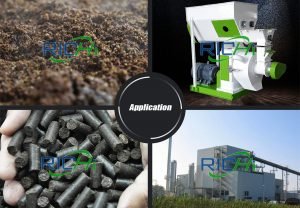
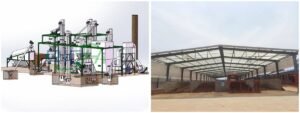
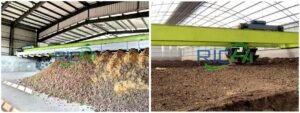
An organic fertilizer production plant is a complete system designed to convert organic waste into high-quality, nutrient-rich fertilizer. As sustainable agriculture and environmental protection become global priorities, organic fertilizer production plants are increasingly important for recycling waste, improving soil health, and reducing dependence on chemical fertilizers.
By investing in a professional organic fertilizer production plant, producers can transform agricultural and livestock waste into valuable organic fertilizer products while supporting eco-friendly farming practices.
What Is an Organic Fertilizer Production Plant?
An organic fertilizer production plant is an integrated production line that processes organic raw materials into finished organic fertilizer products, usually in pellet or granular form. These plants combine multiple systems such as crushing, mixing, pelletizing, drying, cooling, and packaging to ensure stable quality and efficient production.
Organic fertilizer production plants are widely used in:
- Organic fertilizer manufacturing factories
- Livestock and poultry farms
- Agricultural waste recycling projects
- Municipal and industrial organic waste treatment plants
Common Raw Materials Used in Organic Fertilizer Production
One of the major advantages of an organic fertilizer production plant is its wide raw material compatibility. Common materials include:
- Livestock manure (cow, chicken, pig manure)
- Compost and organic sludge
- Crop residues (straw, rice husk, corn stalks)
- Food and kitchen waste
- Green waste and plant residues
With proper fermentation and moisture control, these materials can be efficiently processed into organic fertilizer.
Organic Fertilizer Production Process
A standard organic fertilizer production plant follows a systematic process to ensure product quality and stability:
- Raw Material Collection and Fermentation
Organic materials are fermented to eliminate pathogens, odors, and weed seeds. - Crushing and Grinding
Fermented materials are crushed into uniform particle sizes for further processing. - Mixing and Batching
Different materials and additives are evenly mixed to achieve balanced nutrients. - Pelletizing or Granulation
The mixed material is processed into pellets or granules using an organic fertilizer pellet making machine. - Drying and Cooling
Pellets are dried to reduce moisture and cooled to enhance strength and shelf life. - Screening and Packaging
Qualified products are screened and packaged for storage and sale.
Key Equipment in an Organic Fertilizer Production Plant
A complete organic fertilizer production plant typically includes:
- Compost turner or fermentation system
- Crusher and mixer
- Organic fertilizer pellet making machine
- Rotary dryer and cooler
- Screening machine
- Packaging system
Each piece of equipment plays a critical role in ensuring continuous and efficient production.
(Read More:https://pelletisingmachine.com/organic-fertilizer-machine/)
Advantages of an Organic Fertilizer Production Plant
Investing in an organic fertilizer production plant offers multiple benefits:
- Waste Recycling and Environmental Protection
Converts organic waste into valuable fertilizer, reducing pollution. - Improved Soil Health
Organic fertilizer enhances soil structure and microbial activity. - High Product Value
Pelletized organic fertilizer is easier to transport, store, and apply. - Scalable Production Capacity
Plants can be customized for small, medium, or large-scale production. - Long-Term Profitability
Growing demand for organic farming ensures stable market opportunities.
How to Choose the Right Organic Fertilizer Production Plant
When selecting an organic fertilizer production plant, consider the following factors:
Raw Material Type and Availability
Different organic wastes require different processing solutions.
Production Capacity
Choose a plant that matches your expected output and future expansion plans.
Degree of Automation
Higher automation reduces labor costs and improves consistency.
Energy Efficiency
Efficient equipment design lowers operating and maintenance costs.
Technical Support and Service
Reliable installation, training, and after-sales service are essential.
Applications and Market Demand
The demand for organic fertilizer production plants continues to grow due to:
- Expansion of organic and sustainable agriculture
- Increasing livestock waste management requirements
- Government policies supporting eco-friendly fertilizers
- Rising awareness of soil health and food safety
Organic fertilizers are widely used in crop farming, horticulture, orchards, landscaping, and greenhouse cultivation.
Conclusion
A modern organic fertilizer production plant is a key investment for converting organic waste into high-value fertilizer products. With efficient processing, flexible configurations, and strong environmental benefits, organic fertilizer production plants support sustainable agriculture while creating profitable business opportunities.
Choosing the right plant and equipment solution will help you achieve stable production, high product quality, and long-term success in the organic fertilizer market.