The Critical Role of a Hammer Mill in Pellet Production
While the pellet press receives most of the attention in a biomass production line, the hammer mill for wood pellets is equally critical to achieving consistent output quality. A hammer mill uses rotating, free-swinging hammers to reduce wood chips, slabs, and other large-format wood waste to a uniform particle size—typically below 5 mm—suitable for efficient pelleting. Inadequate size reduction leads to die blockages, uneven pellet density, and increased energy consumption at the pelleting stage.
Finding the Right Wood Pellet Plant for Sale
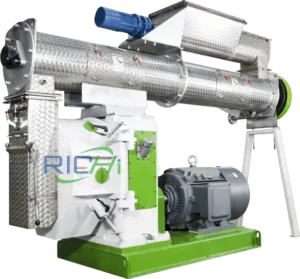
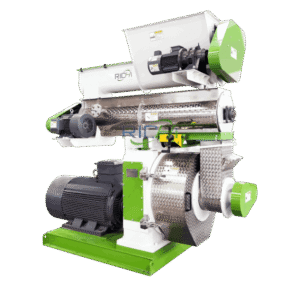
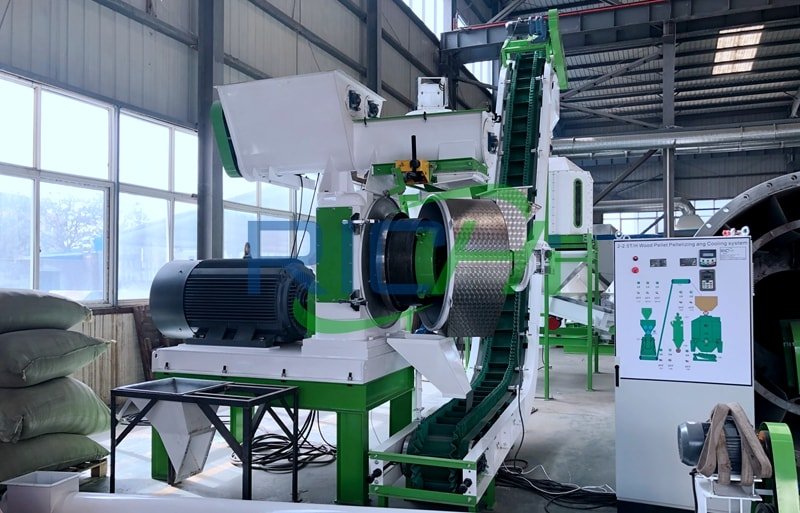
Buyers looking for a complete production solution—including both hammer mill and pellet mill—often search for a wood pellet plant for sale as a package. Integrated turnkey plants offer the advantage of pre-engineered compatibility between all process stages: the hammer mill’s output particle size distribution is matched to the pellet mill’s die specifications, and material transfer systems are sized to prevent bottlenecks.
Purchasing a complete plant from a single supplier also simplifies warranty management, technical support, and spare-parts procurement compared to assembling a line from multiple vendors.
Hammer Mill Design and Performance Parameters
Key hammer mill performance parameters include rotor speed (RPM), hammer tip velocity, screen hole size (which determines output particle size), and installed motor power. Higher rotor speeds and smaller screen openings produce finer particles but increase energy consumption and screen wear. Matching screen size to the pellet mill’s optimal input particle range—typically 3–5 mm for wood pellet production—balances grinding efficiency with operating costs.
Modern hammer mills incorporate features such as automatic screen replacement systems, hard-facing on hammers for extended life, and integrated metal detection to protect downstream equipment from damage. For in-depth guidance on sizing a hammer mill for your specific raw material, why not try here by consulting detailed application engineering resources.
Pellet Maker Machine Compatibility with Hammer Mill Output
A pellet maker machine performs best when receiving material within a narrow, consistent particle size range. Oversized particles—common when hammer mill screens are worn or improperly selected—cause uneven die wear, pellet quality variations, and increased energy consumption. Conversely, excessively fine particles can lead to poor pellet hardness and increased dust generation. Regular monitoring of hammer mill output through particle size analysis is a best practice for maintaining pellet line efficiency.
Calibrating the hammer mill and pellet mill as a system—rather than optimizing each in isolation—is the key to achieving peak line performance and minimum per-ton operating costs.
Maintenance and Operational Tips for Hammer Mills
Hammer mills are high-wear items by nature. Best practices include rotating and flipping hammers at regular intervals to distribute wear evenly, replacing screens before holes enlarge significantly, monitoring bearing temperatures, and inspecting the rotor and housing for metal contamination damage after any foreign-object incident.Investing in a quality hammer mill and maintaining it diligently is one of the highest-return maintenance practices in a wood pellet production operation, protecting both the hammer mill itself and the more expensive pelleting equipment downstream.